
01
Voluntary and open membership
Cooperatives are open to people able to use their services and willing to accept membership responsibilities.
We bring housing cooperatives and communities together to make access to land, adequate homes and sustainable livelihoods more attainable.
The Uganda Housing Cooperative Union Limited (UHOCU) is a national body for housing cooperatives in Uganda. We work with Primary Housing Cooperative Societies (PHCS), community groups, development partners, government institutions and other stakeholders to promote cooperative housing as an inclusive and sustainable approach to Uganda’s land and housing needs.
UHOCU currently works with 40 Primary Housing Cooperative Societies and 73 community groups. Through this network, members pool resources, develop their capacities and create practical pathways towards land, decent housing, improved livelihoods and secure tenure.

We facilitate the progressive realization of the right to adequate housing for all individuals in Ugandan society through the cooperative housing model.
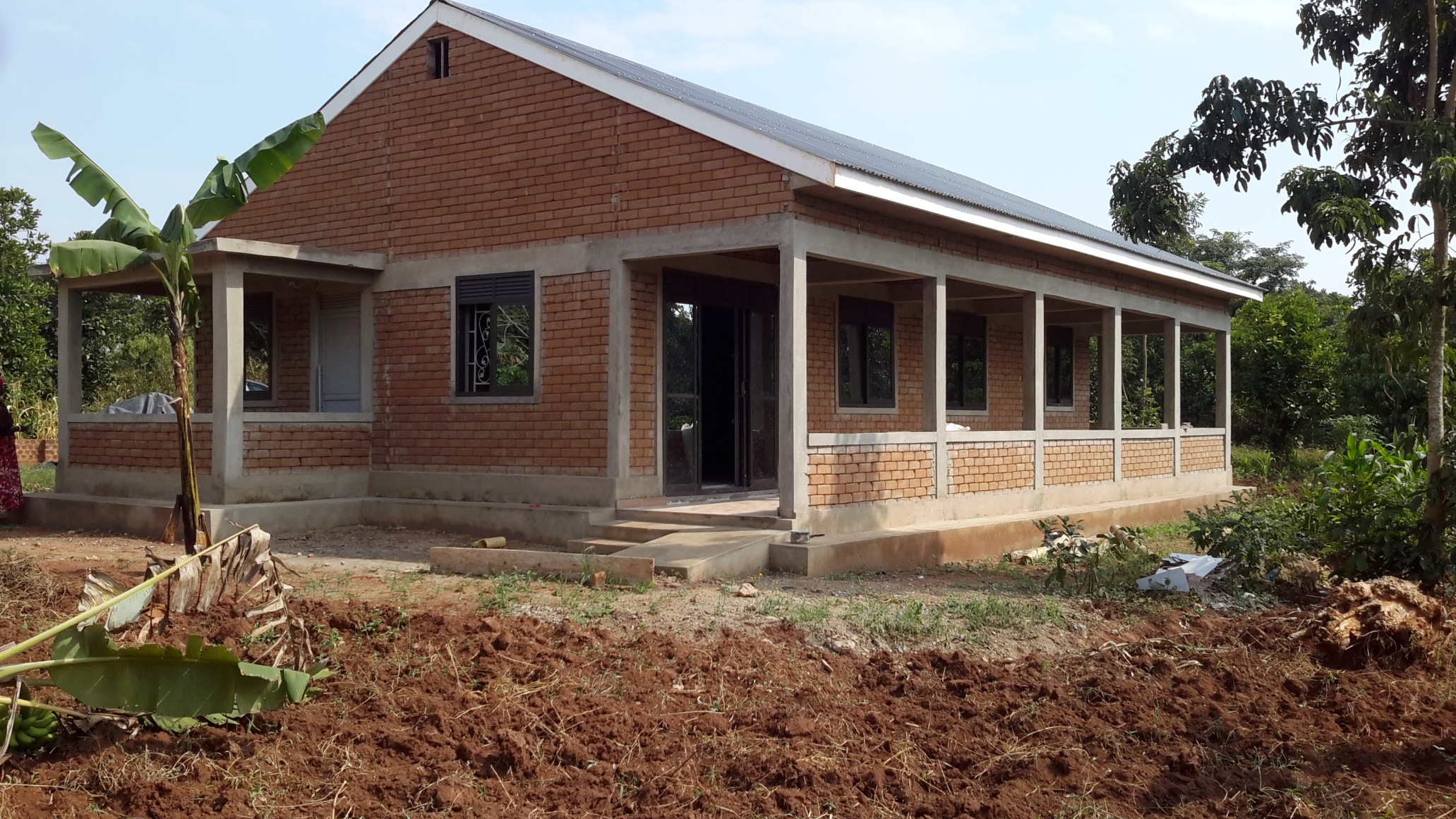
The documentary follows communities as women, youth and men pool their limited resources to create housing for their members. They save together, acquire land and build homes through their housing cooperatives.
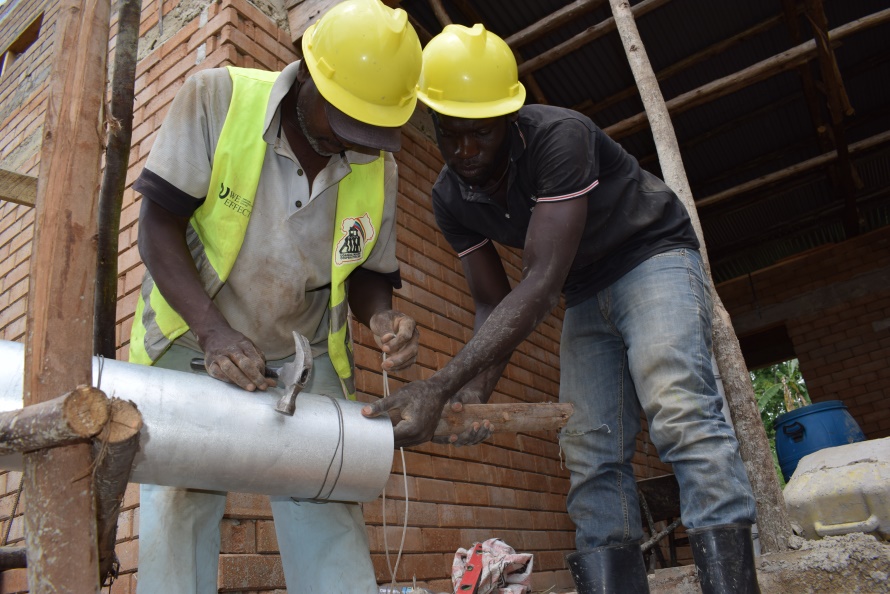
Members also develop livelihoods such as farming for housing, raising income that can go toward land and construction. With practical training in basic construction, women and youth can take part directly in building their homes.
Through the cooperative model, women and youth have acquired and owned land, built houses, and gained construction skills they had not previously had access to.
Through unity, savings, empowerment and shared effort, communities of women, youth, and men are turning dreams into homes. By pooling resources, acquiring land, learning construction skills, and engaging in livelihood projects, they’re creating affordable, sustainable housing — and transforming lives.

Partnerships strengthen community-led housing across Uganda.







Our work is guided by self-help, self-responsibility, democracy, equality, equity, transparency, accountability and solidarity, alongside the internationally recognized cooperative principles.
Cooperatives are open to people able to use their services and willing to accept membership responsibilities.
Members participate in setting policy and making decisions, with elected representatives accountable to them.
Members contribute equitably and direct surpluses toward the development of their cooperative.
Partnerships and agreements preserve the cooperative’s member control and independence.
Members, elected representatives and staff build the knowledge to contribute effectively.
Cooperatives work together through local, national and international structures.
Cooperatives work for sustainable local communities through member-supported policies.
UHOCU was established in 2013 by ten Primary Housing Cooperative Societies and registered with the Ministry of Trade, Industry and Cooperatives. Its registration number is 10354/RCS. The Union’s mandate is to help establish vibrant PHCS that mobilize community resources toward adequate housing.
UHOCU works nationally, with particular attention to low-income and socio-economically disadvantaged communities, including women, young people and men seeking secure access to land and decent housing.
Build institutional capacity and specialist expertise to support affordable, sustainable housing grounded in cooperative principles.
Expand cooperative housing and promote eco-friendly practices that serve members and communities.
Mobilize resources and strengthen financing, including revolving finance for housing development.
Support women and young people to claim and exercise their rights to access, possess and control land and property.
Build networks, influence policy, sensitize communities and improve services for members.
This structure follows the relationships in the UHOCU governance chart: member oversight, elected leadership, executive management and Secretariat reporting lines.
Sets the Union’s direction and holds leadership accountable.
Provides leadership, policy direction and oversight on behalf of members.
Monitors the Union’s performance and reports to the AGM.
Leads the Secretariat and day-to-day delivery of Union programmes.
Community mobilization, lobbying and advocacy, cooperative and capacity development, monitoring and evaluation.
Head of Programmes DepartmentLand management, physical planning, housing design and technology, quantity surveying and engineering.
Head of Technical DepartmentFinancial management and organizational administration.